
Welcome
Somaraja is a global clinic operating across two locations: a mountain sanctuary nestled in the foothills of Boulder and a (forthcoming) private atelier situated on the Left Bank of Paris.
Somaraja thus roots itself in wilderness and civilization, offering a set-apart space where a profound quality of energy and attention become available for therapeutic work.
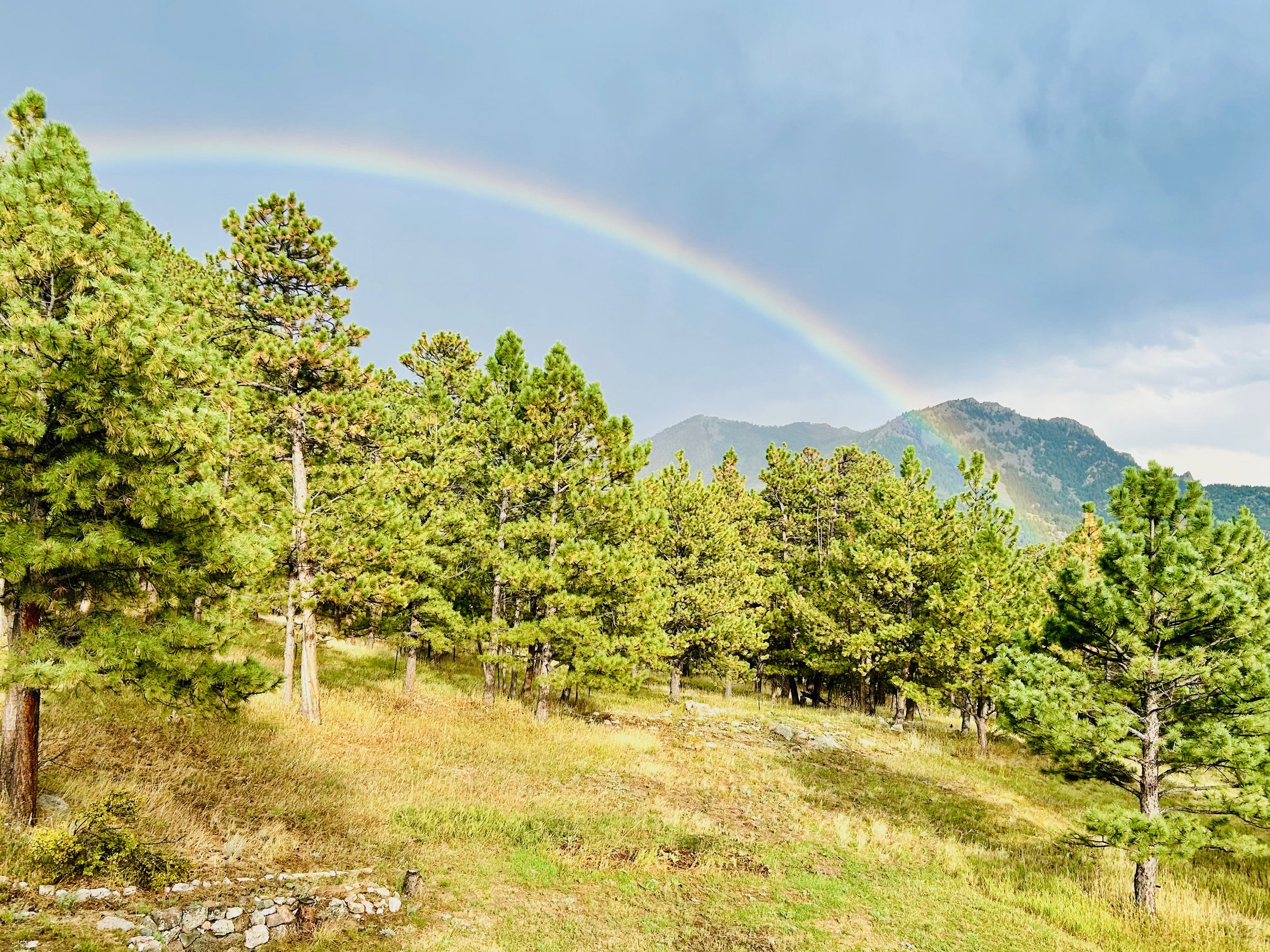
Evening rainbow at the Somaraja Clinic
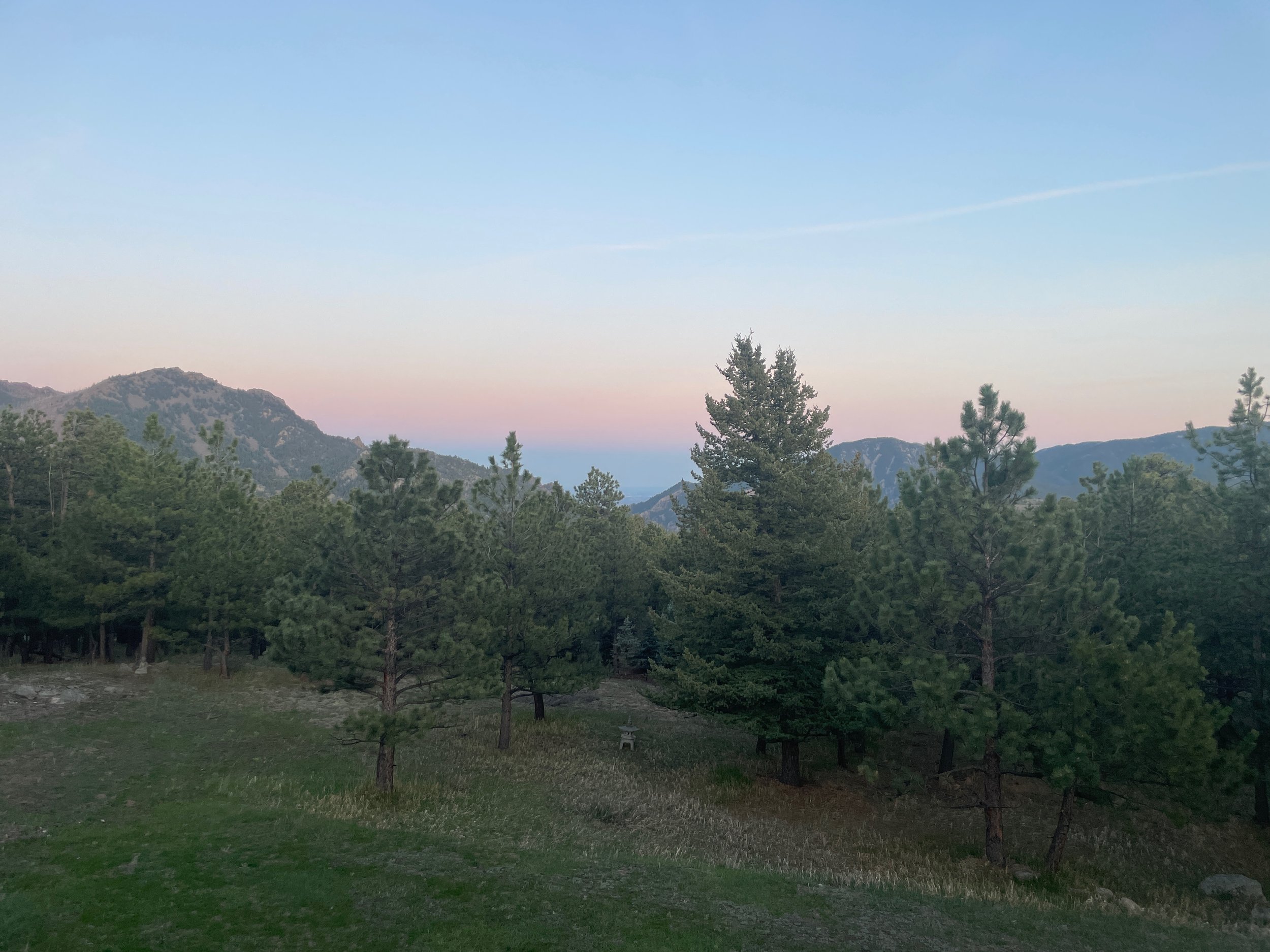
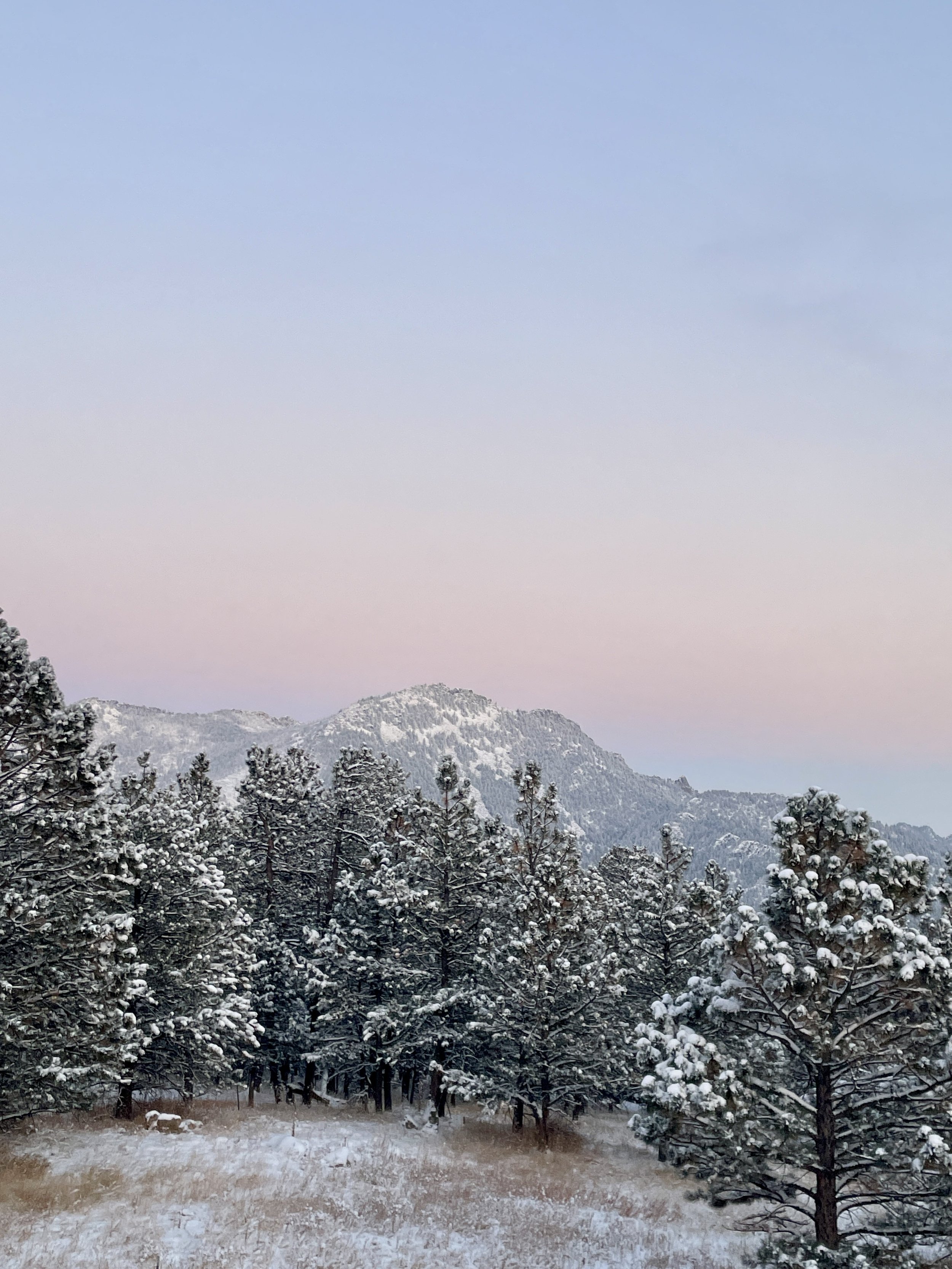
Dusk at the Somaraja Clinic
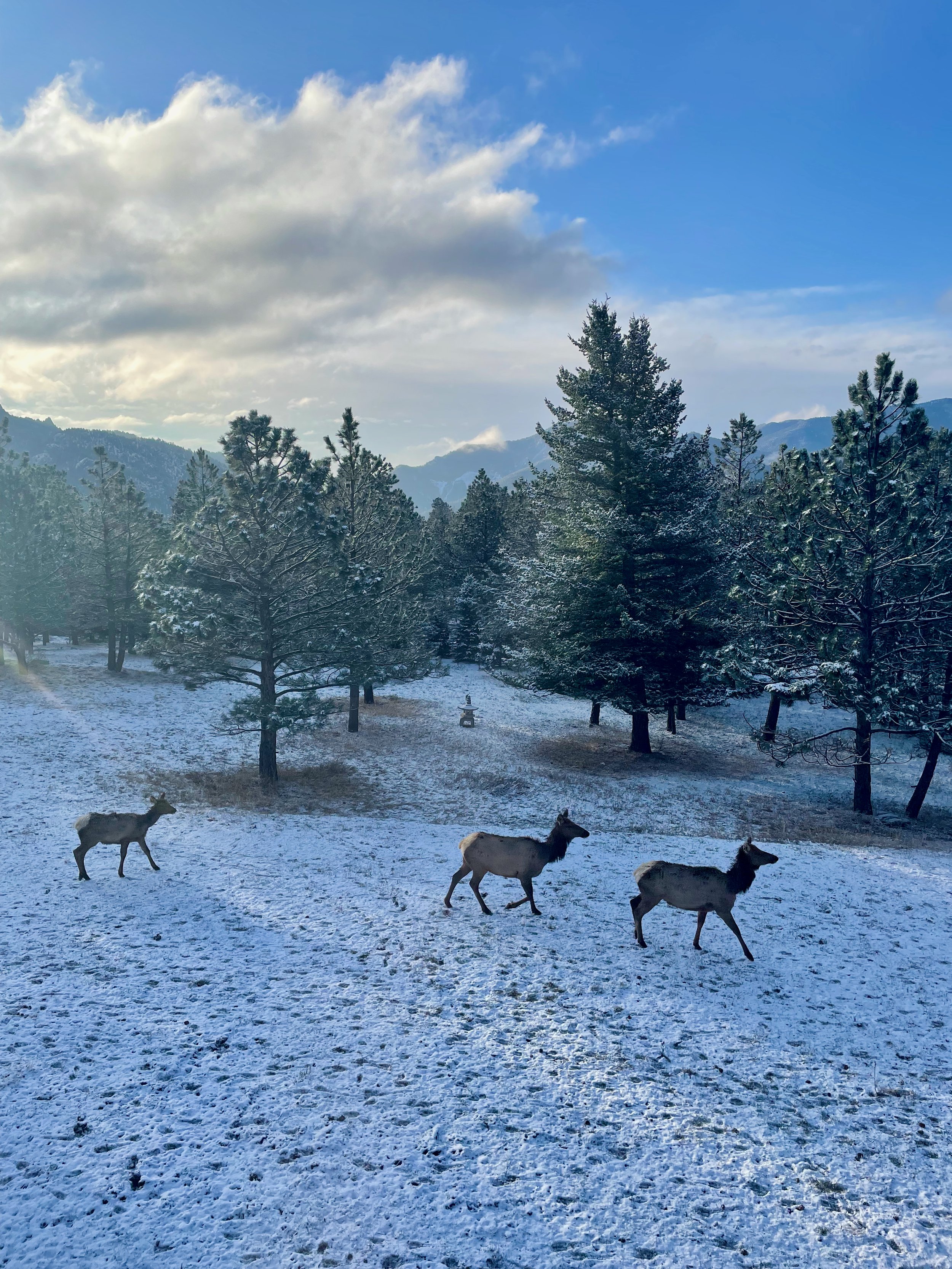
Elk crossing
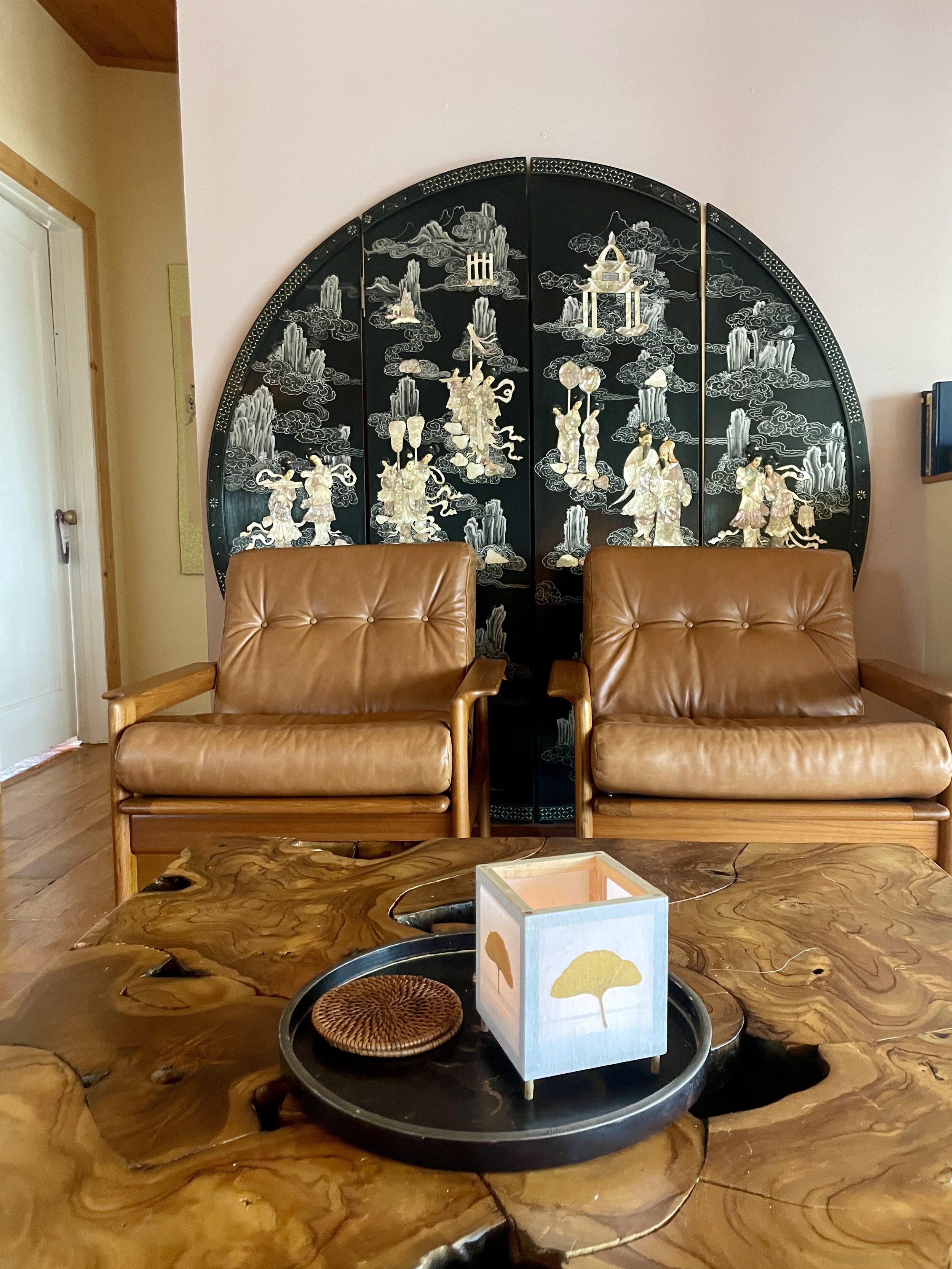
Waiting Room
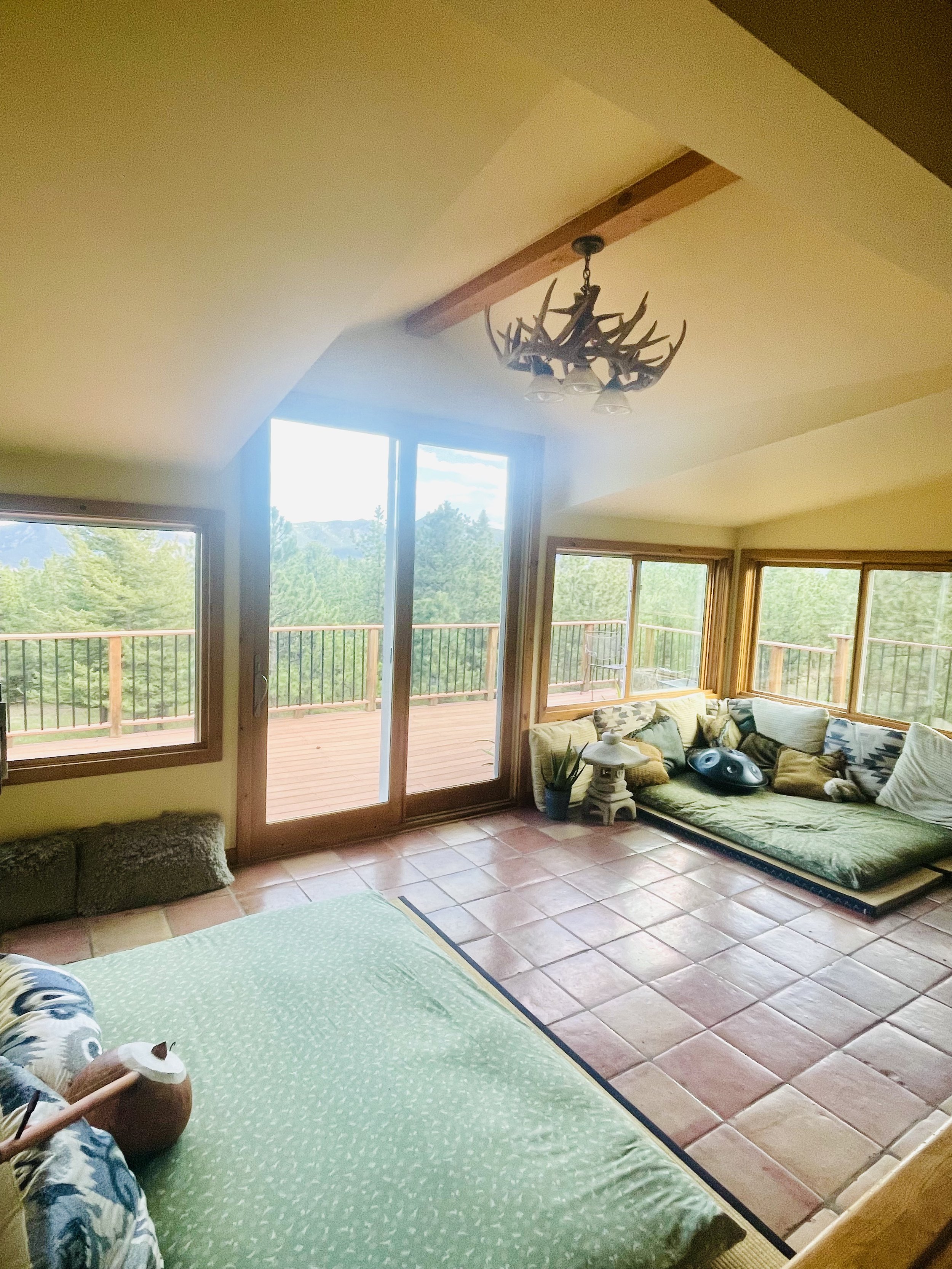
Tatami Room
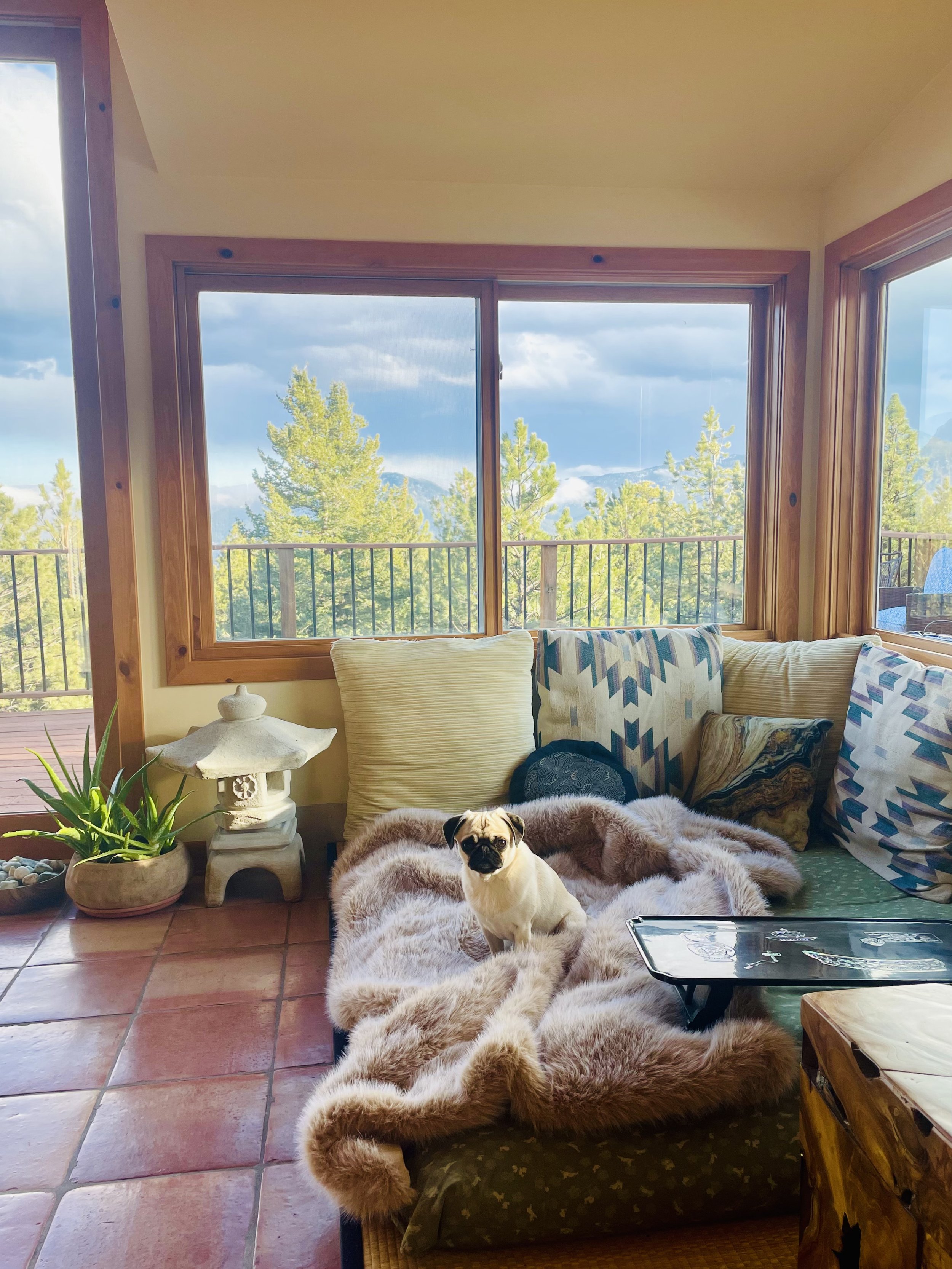
Nori
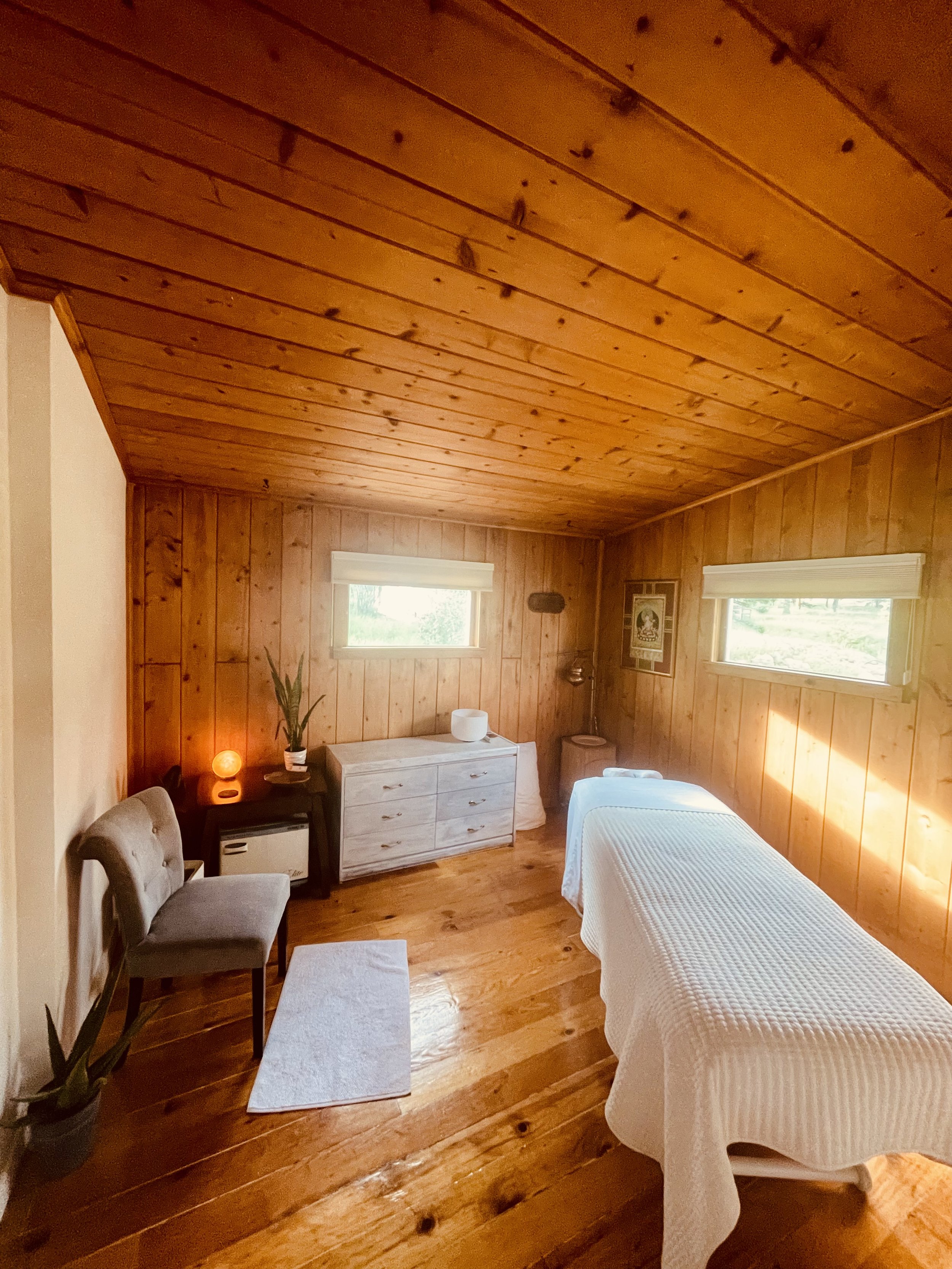
Nicole's Treatment Room
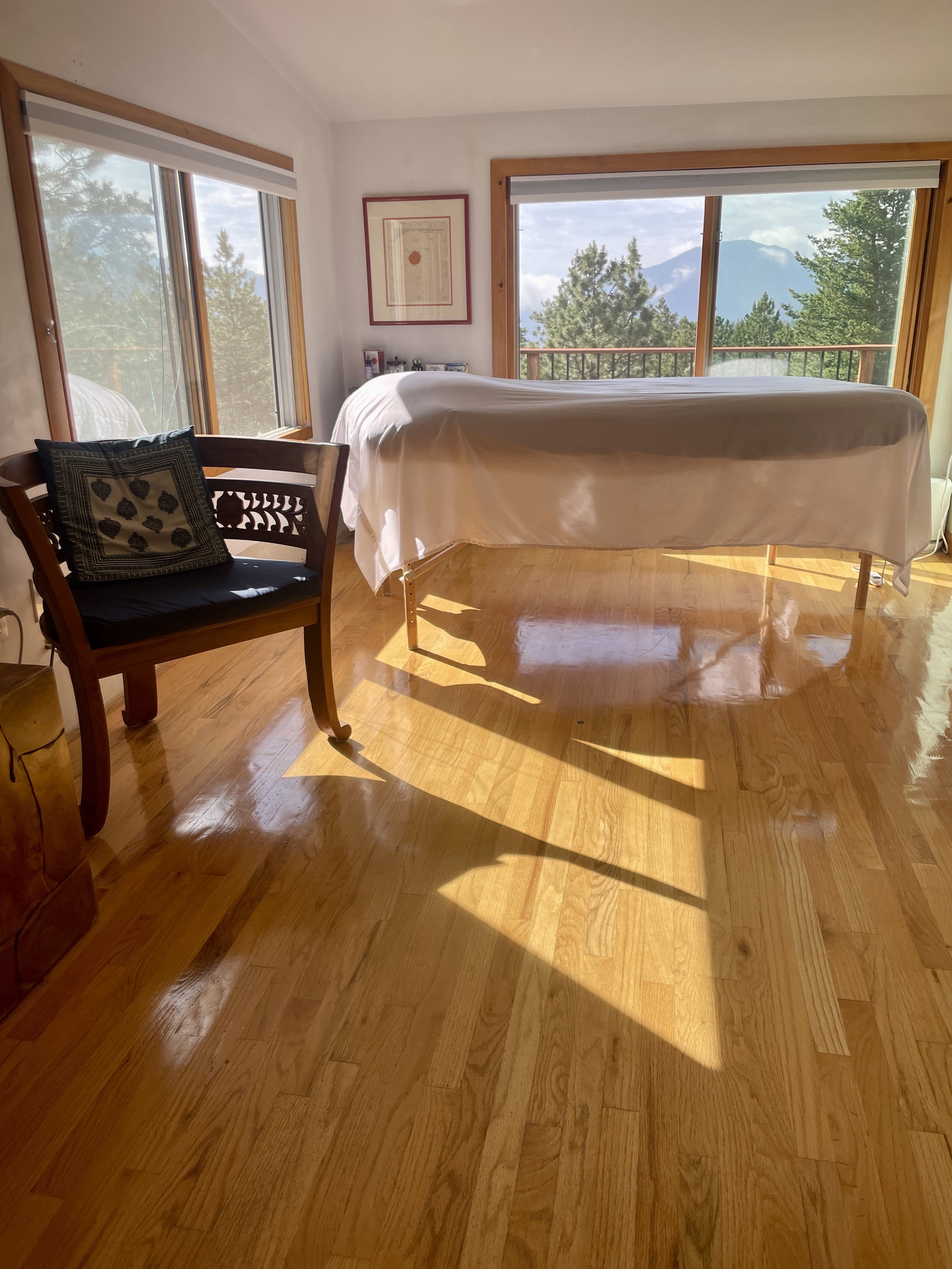
Neeshee's Treatment Room
A Clinic of the Real
East • West
Somaraja Clinic proposes an architecture of healing that transcends and includes the cultural imagination of East and West to discover a universal clinic rooted in the real. A clinic of the real moves in the multiplicities of the whole person, rather than the isolated fragments of symptoms and modalities.
The Somaraja Clinic is an interdisciplinary project that transforms the limits of culture and modality. Our work sits at the threshold of Eastern and Western traditions, classical and modern schools, psychic and somatic modalities. We view medicine as a sacred art and spiritual practice, rather than a commercial business. In doing so, we invoke the traditional model of healthcare—where healing is conceived as a creative, educational, artistic, and spiritual process.
We welcome everyone from all ages, demographics, and orientations of life.
The Healing Relationship
Neeshee Pandit • Nicole Ortega
Somaraja Clinic is the practice of Neeshee Pandit and Nicole Ortega—a husband and wife team whose work forms two distinct but related dimensions of a clinical system. If modalities are nodes in a therapeutic system, then modalities are entry points into a healing relationship. The clinic is a single field, and movement between practitioners is possible, even natural, as the process deepens.
Neeshee Pandit, LAc — Neeshee works at the level of meridians and mind, bringing acupuncture, psychoanalysis, medicine, and astrology to bear on the whole person.
Nicole Ortega, LMT — Nicole works at the level of touch and tissue, engaging the fascia as a living record of experience through Rolfing Structural Integration and Ayurvedic therapies.
The Rhizomatic Clinic
Roots • Branches
We envision our practice as a rhizomatic structure, where roots and branches form a network of growth and relationships. The clinic as rhizome is a non-hierarchical horizon of becoming. Therefore, the rhizomatic clinic is not only an assemblage of therapies but a context for connection that fosters radical healing.
The clinic is the mycelium through which healing moves—
the practitioner is the network,
the modality is the node,
the subject is the flowering bud.
Radical Healing
Purification • Rebalancing • Rejuvenation
We describe our therapeutic philosophy as "radical healing”, where radical means: at the root. Radical healing begins in the deep structure at the root of surface symptoms. This process unfolds in three stages: purification, rebalancing, and rejuvenation. Purification clears the body, rebalancing harmonizes vital flows, rejuvenation tonifies the spirit.
Thus, the three stages of radical healing catalyze healing from the depth to the surface and from the body to the spirit. Radical healing is therefore a form of constitutional therapy. By perceiving the uniqueness of each individual in body, mind, and spirit, we practice healing as an actualization of human potential.
Mountain Medicine
Elevation • 7400 ft
Somaraja Clinic is located on Flagstaff Mountain in Boulder, Colorado, at an elevation of 7,400 feet. Our clinic is surrounded by dense alpine forest, adjacent to the open space of Walker Ranch and the Meyer's Gulch Trailhead—a wilderness preserve that functions as an ecotone, a continental divide between biospheres, fostering a rich diversity of life. The location of the Somaraja Clinic symbolizes our philosophy of health as an ecological juncture of relationships.
We wild-harvest the plant medicines that naturally grow on the mountain to craft oils and balms. We also process wild artemisia to produce our own moxa for use in moxibustion treatments.
While our clinic is located in the mountain area, we are accessible from downtown Boulder. Clients commuting from Boulder should anticipate a 15-20 minute drive from Pearl Street.
Rejuvenation Retreats
Panchakarma • Alchemy
The clinic is also a sanctuary in the sense of sanctum—a place set-apart from the rhythms of daily life, where a contemplative quality of energy and attention becomes possible. Our private retreat cabin is located on-site with access to the full resources of the clinic, including treatment rooms, a sauna, ample forest bathing, and walking-distance access to hiking trails.
Somaraja retreats are rooted in the traditions of Ayurvedic panchakarma, Tibetan rejuvenation therapy (chulen), and Daoist inner alchemy— ancient therapeutic rituals that support the body to heal itself through natural cycles of purification, rebalancing, and rejuvenation.
Each retreat is completely personalized—designed in consultation with both Neeshee and Nicole, and adjusted in real time as the healing process unfolds. Our retreat flow is inspired by two-decades of experience in ashram settings and meditation retreats. Rather than imposing a fixed program, we cultivate a fluid daily rhythm: meditation and practice at dawn, clinical therapies through the morning, personal time in the forest, gentle movement in the evening.
Retreat durations range from 3 days to 14 days to a month or more. Learn more about our retreat offerings.
Meaning of Somaraja
India • Tibet • China
Somaraja means "Moon King" and is a reference to the Moon in the Sanskrit language. Somaraja (Tib: soma radza) is also the name of a medical treatise attributed to the sage Nagarjuna that was influential on Tibetan medical thinking. Originally written in Sanskrit, the treatise was first translated into Chinese and then into Tibetan by Vairocana. Its content reflects a unique confluence of traditions—presenting Chinese pulse diagnosis, Ayurvedic tridosha theory, moxibustion points, and descriptions of materia medica unique to the Tibetan plateau.
As the name of a cross-cultural medical text, Somaraja points to the Moon as an archetypal image of healing. Tibetan medicine describes the circulation of the life-force in correspondence with lunar cycles, placing the Moon as a symbol of the soul. In herbal medicine, the Moon governs the growth of medicinal plants and its phases determine the timing of their harvest. In astrology, the Moon represents the psyche, and its north and south nodes represent the unconscious.
Somaraja embodies our integrative ethic, highlighting the essence of medicine as a single great tradition that transcends cultural boundaries.
Our Seal
Spirals • Clouds
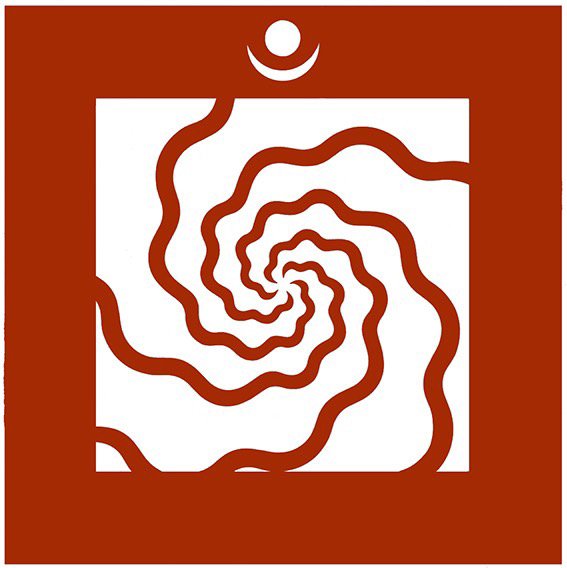
Seal stamps are a traditional form of signature in East Asian cultures. Our seal was designed by Tibetan calligrapher Tashi Mannox, who learned the craft of traditional seal-making from Tai Situ Rinpoche.
The seal design is inspired by the coniferous alpine forest that surrounds our clinic. Tashi explored the geometries of the pinecone, noting that it formed the golden section of the Fibonacci spiral—from which he discovered that five interrelating golden mean spirals are formed on a five-pointed star of construction grid lines.
Five is a significant number in medicine and spirituality—there are five elements, five phases, five virtues, five visible planets, five Buddha families. Five is the number of Heaven and Earth in correspondence, of the human being as an alchemical vessel standing in the center. The five spirals in the seal converge at a zero-point, suggesting the nature of emptiness and the hot point of moxibustion, from which the smoke-like qualities of healing and rejuvenation emanate.
The seal encompasses a range of symbolic meanings. Its circular symmetry suggests a mandala, with the five spirals creating a sense of energetic motion within the image—moving out from a central source, an image of evolution, growth, and expansion. The smoke-like appearance of the spirals also resembles the outline of clouds and a mandala of dancing snakes.
The inclusion of a Sun/Moon motif is traditional in Tibetan-style seals. The Sun and Moon represent the union of wisdom and compassion, of consciousness and energy, of yin and yang—lending an astrological resonance to the seal.
In addition to the seal stamp, we utilize Tashi’s famous “Cloud” artwork which adorns many temples in the Himalayan region. The cloud evokes the high mountains where we practice and the qi we work with.